Fine-line tattoo design
Fine-line tattoo design: a practice sheet for beginners
Fine-line tattooing is included in Skinart’s tattoo course. Give its drawing work a clear purpose: use one practice sheet to compare spacing, junctions and line weight, then keep a revision beside your first attempt.
This resource is for drawing on paper or a tablet. Practical tattoo technique, hygiene and assessment belong in your structured course work. A neat drawing is one part of developing your skills.
Start with a sheet you can compare
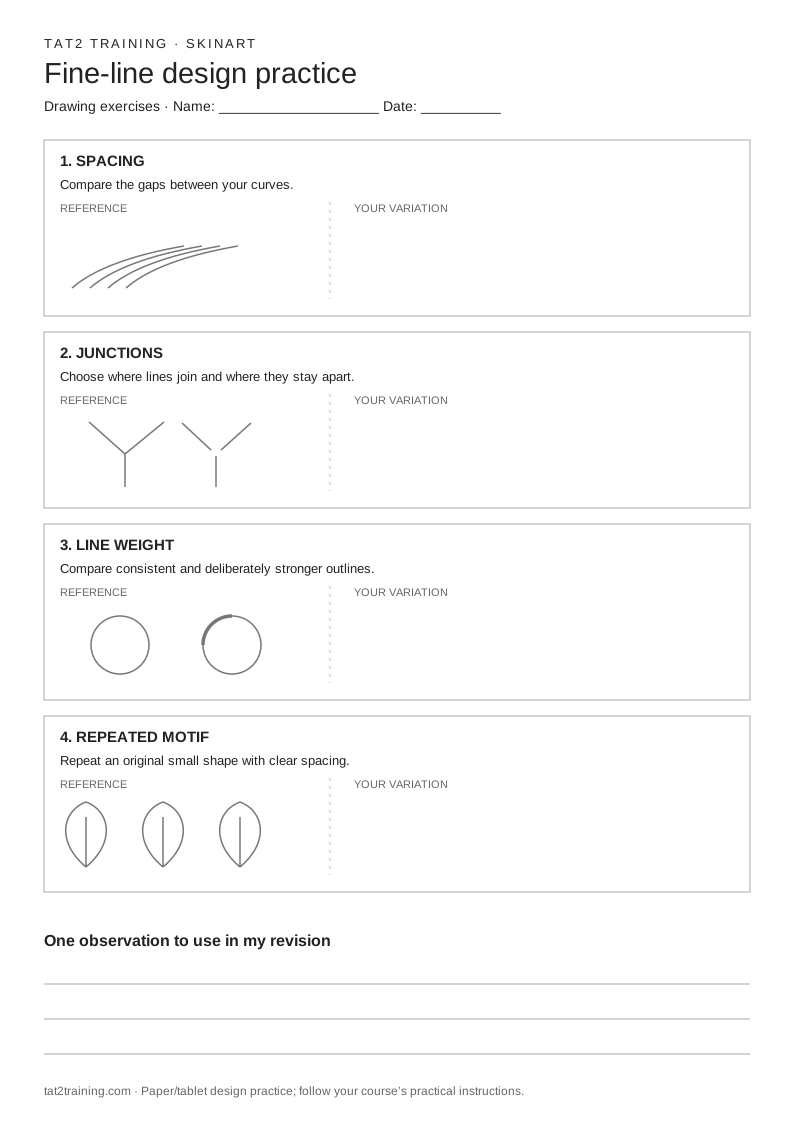
Download the printable fine-line design worksheet. Open the SVG in your browser and print it on A4, or use it as a reference beside your sketchbook. The pale examples are drawing prompts; use the empty areas for your own versions.
Give each exercise one job
- Spacing: draw a group of parallel curves. Look at the empty spaces as carefully as the lines. Notice where a gap narrows unintentionally, then redraw that group with more deliberate spacing.
- Junctions: use a simple branching shape. Decide which lines should join and which should remain separate before drawing. Mark accidental overlaps rather than covering them with extra strokes.
- Line weight: draw one simple outline with a consistent visual weight. Make a second version with one deliberately stronger part. Compare whether that change supports the design or draws attention away from it.
- A repeated motif: make several versions of a small original shape. Keep their size and orientation comparable. Circle the version with the clearest spacing and note one decision you would repeat.
Choose a reference you made or have permission to use. Start with one drawing tool so changes in the design are easier to judge. Keep the subject manageable enough to repeat without rushing.
Review the marks you actually made
Date the sheet and write one observation for each row. Identify the location of a problem: “the gap closes on the inside curve” is more useful than “my lines look bad”. Make a revision that addresses that observation, keeping the scale comparable.
Photograph the whole sheet in even light, then take a closer view of the area you want reviewed. Keep the original marks visible. Use the practice feedback guide to present your task, first attempt and revision with a focused question.
Connect fine-line design with the course
Skinart’s tattoo training includes fine-line, blackwork, tribal, traditional, watercolour and colour realism. Drawing helps you make design decisions; equipment control, hygienic practice and the required assessments need their own course exercises and feedback.
Read the tattoo course overview and select your region there for current course details, prices and enrolment. For broader composition and contrast exercises, continue with the drawing practice routine.